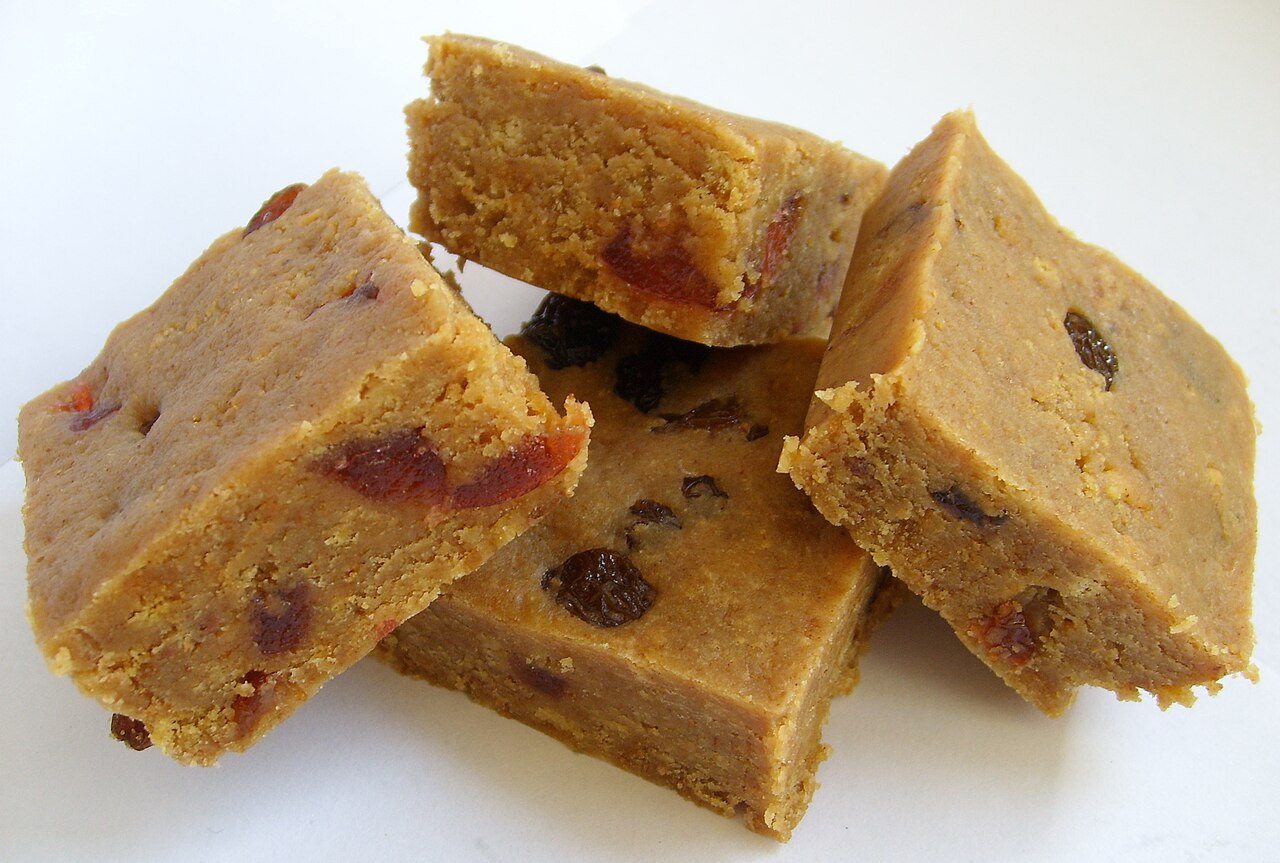
The Sweet History of Fudge: From Vassar Secret to Global Treat
Few confections capture the hearts (and taste buds) quite like fudge. This dense, creamy, and irresistibly sweet treat is a staple at holidays, tourist destinations, and in countless home kitchens worldwide. Its rich flavor and melt-in-your-mouth texture make it a perennial favorite, but the journey of this beloved candy from an accidental "fudge-up" in a Baltimore kitchen to a global phenomenon is as intriguing as its taste. Join us as we unwrap the fascinating origins and evolution of fudge.
The Accidental Creation: A Happy "Fudge-Up" in Baltimore
The story of fudge begins, rather fittingly, with a mistake. While its exact genesis is shrouded in sweet mystery, popular legend points to the year 1886 and an unnamed confectioner in Baltimore, Maryland. The tale suggests that this baker, perhaps attempting to replicate a delicate French caramel, overcooked a batch, resulting in a softer, creamier consistency than intended. Upon realizing the error, the baker supposedly exclaimed, "Oh, fudge!" – a casual expression of mild frustration that inadvertently gave the new candy its name. This anecdote aligns perfectly with the etymology of the word "fudge," which, originating from 17th-century English slang, meant to improvise or clumsily put something together, often implying a botched or mistaken effort.
Food historian Joyce White posits that this "accidental" creation likely stemmed from adapting existing chocolate caramel recipes. These caramels were popular at the time but notoriously tricky to master, requiring precise temperature control to avoid either graininess or excessive hardness. The Baltimore confectioner's error, then, wasn't a total culinary disaster but rather a fortunate deviation that yielded a uniquely smooth and decadent candy. This accidental innovation laid the groundwork for one of America's most cherished sweets. To delve deeper into this intriguing origin, check out The Accidental Sweet: How "Fudging" Created a Classic Candy.
While the Baltimore story captures the popular imagination, some scholars suggest that the roots of fudge might extend even further back to similar sugar-based sweets like Mexican panochita de leche, a confection documented in colonial recipes that involves boiling sugar and milk to the soft-ball stage. However, it was the American iteration that truly catapulted fudge into the spotlight.
From Dorm Rooms to Dining Halls: Vassar's Sweet Secret
The first widely documented appearance of fudge as we know it traces back to Emelyn Battersby Hartridge, a student at Vassar College in 1888. Hartridge, then a student in the class of 1892, received a recipe from a cousin in Baltimore and quickly recognized its potential. She didn't just make a small batch; she famously churned out 30 pounds of the irresistible candy for a fundraiser, a testament to its immediate popularity among her peers. This event marked a significant turning point, solidifying fudge's place in American confectionery history.
What followed was a delicious craze among American women's colleges. Despite strict bans on sweets in dormitories, fudge became a secretly prepared staple. Students would covertly whip up batches using makeshift equipment, earning the confection endearing nicknames like "Vassar fudge." This era cemented fudge's association with indulgence, camaraderie, and a touch of rebellious spirit. It was easy enough to make with limited resources, rich enough to feel like a forbidden pleasure, and shareable, making it perfect for clandestine late-night gatherings.
The phenomenon quickly spread beyond Vassar, becoming a beloved treat at other institutions. By the early 20th century, fudge recipes were circulating widely, evolving from a collegiate novelty into a firmly established American dessert.
The Art and Science of Perfect Fudge
At its heart, fudge is a triumph of sugar crystallization. The basic recipe is deceptively simple: sugar, butter, and milk or cream, often with chocolate or other flavorings. The magic happens during two crucial stages:
- Cooking to the Soft-Ball Stage: The mixture is heated until it reaches a specific temperature, typically between 235°F and 245°F (118°C and 120°C). At this "soft-ball stage," a small amount of the syrup dropped into cold water forms a soft, pliable ball that can be flattened easily. This precise temperature control is critical, as it determines the amount of sugar dissolved in the solution.
- Vigorous Beating: After cooking, the mixture is allowed to cool slightly and then beaten vigorously. This energetic agitation, whether by hand, stand mixer, or paddle, encourages the formation of tiny, uniform sugar crystals. The smaller and more numerous these crystals, the smoother and creamier the final fudge. Insufficient beating can lead to a grainy texture, while over-beating can make it dry and crumbly.
The result is a soft yet firm candy that can range from delightfully velvety to slightly grainy, depending on the control of crystallization during preparation. For home cooks, achieving that perfect, smooth texture often comes down to patience and precision. Factors like humidity, the type of sugar, and even how gently the mixture is stirred during heating can influence the outcome.
While traditional recipes emphasize careful temperature monitoring and manual beating, modern commercial and no-bake versions often employ shortcuts like corn syrup or sweetened condensed milk. Corn syrup helps inhibit large crystal formation, ensuring a consistently smooth texture, while condensed milk simplifies the cooking process dramatically. These methods make fudge more accessible, but many artisanal makers still swear by the traditional, hands-on approach for optimal flavor and texture depth. If you're looking to master the craft of homemade fudge, be sure to read Secrets to Perfect Fudge: Easy Recipes & Creamy Texture Tips for invaluable advice.
A Global Sweet Symphony: The Evolution of Fudge Flavors
From its humble beginnings, fudge has blossomed into a confectionery superstar with an incredible array of flavors and forms. While classic chocolate remains eternally popular, the versatility of fudge has led to countless creative variations:
- Nutty Indulgences: Peanut butter fudge, pecan fudge, and walnut fudge are perennial favorites, offering a delightful crunch and richness.
- Fruity Delights: Raspberry, cranberry, and even lemon fudge provide a tangy contrast to the sweetness.
- Seasonal Specialties: Maple fudge thrives in autumn, while pumpkin spice and peppermint varieties dominate the holiday season.
- Gourmet Creations: Today, you can find exotic flavors like sea salt caramel, chili chocolate, and even lavender fudge, catering to sophisticated palates.
Beyond being sold in traditional blocks, fudge is also a popular topping for ice cream, a key ingredient in dessert bars, and a cherished component of holiday gift tins. Its enduring popularity is evident in places like Mackinac Island, Michigan, where fudge isn't just a treat, but a signature part of the island's identity, with numerous shops dedicated to its production and sale. Visitors flock to witness the traditional methods and sample endless varieties, highlighting fudge's evolution from a simple college novelty to a cultural icon and a significant draw for tourism.
The journey of fudge is a testament to the power of accidental discovery and creative adaptation. What started as a potentially botched batch of caramels, embraced by resourceful college students, has transformed into a globally cherished confection. Its rich history, combined with its simple yet satisfying appeal, ensures that fudge will continue to be a sweet indulgence for generations to come, reminding us that sometimes, the best discoveries are made when we "fudge" things up a little.
