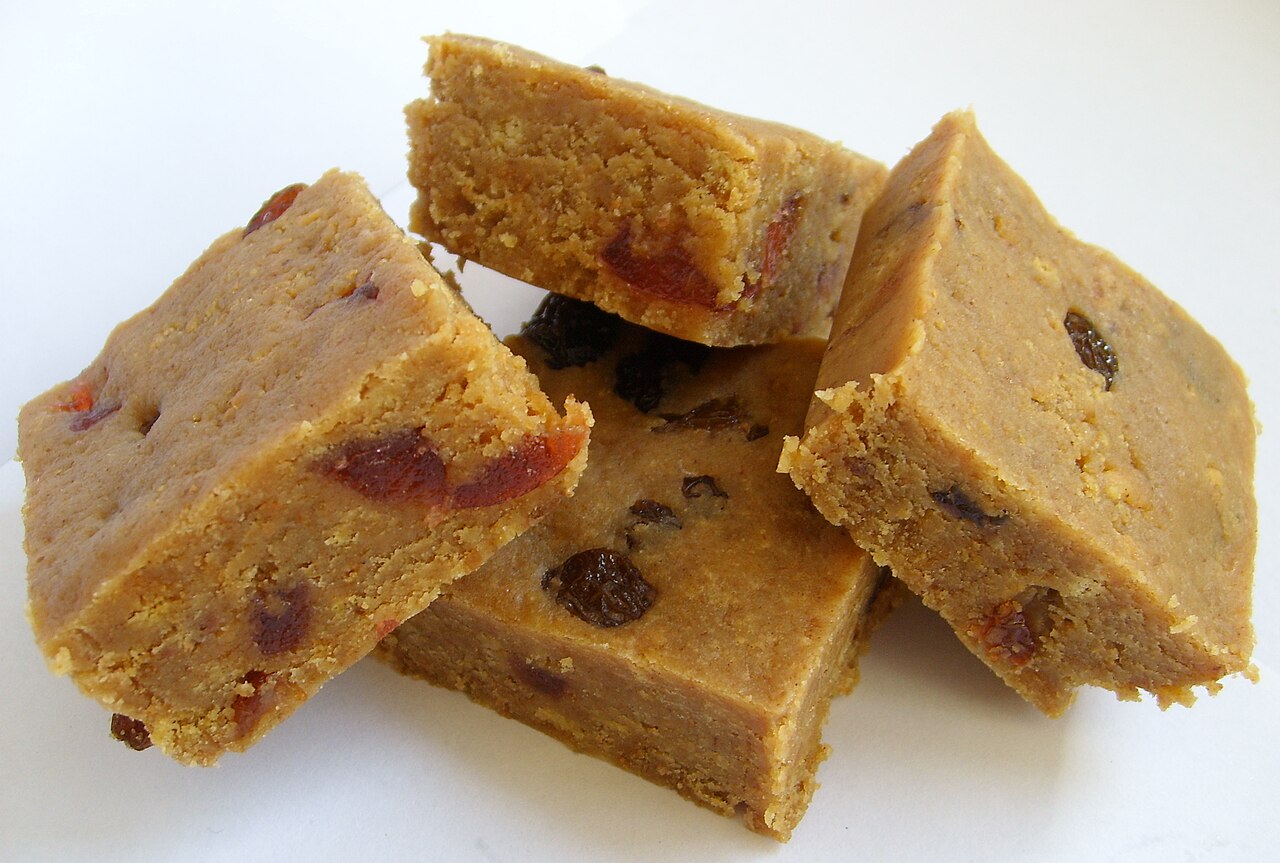
In the vast universe of confections, few treats boast an origin story as charmingly unconventional as fudge. This beloved, dense, and irresistibly creamy candy is a staple at holiday gatherings, bake sales, and tourist destinations worldwide. Yet, its very existence is, by popular legend, a happy accident – a culinary "fudging" that transformed a potential kitchen disaster into a sweet triumph. The tale intertwines collegiate innovation, a touch of impropriety, and the simple magic of sugar, butter, and milk, culminating in a classic that continues to delight generations.
The Sweet Mistake: Unpacking Fudge's Apocryphal Origins
The most enduring and endearing origin story of fudge suggests it was born from a fortunate error. Around 1886, in a Baltimore, Maryland, confectionery kitchen, a batch of caramels allegedly went awry. The confectioner, attempting to replicate intricate French recipes, either overcooked the sugar mixture or misjudged a step. Upon realizing the mistake, a common exclamation of frustration supposedly escaped their lips: "Oh, fudge!" What emerged, however, wasn't a ruined caramel, but something softer, creamier, and uniquely delightful – a new candy altogether.
This narrative aligns perfectly with the etymology of the word "fudge" itself. Originating in 17th-century English slang, "fudge" initially meant to improvise clumsily or fit something together imperfectly, often implying a makeshift or erroneous effort. By the 19th century, it had evolved to signify a minor mistake or a botched performance. The serendipitous alignment of the word's meaning with the candy's creation adds a layer of whimsical authenticity to the legend.
Food historian Joyce White posits that this "fudging" likely involved adapting popular chocolate caramel recipes of the era. Caramels, particularly those with chocolate, demand precise temperature control to achieve their signature chewiness without becoming grainy or overly hard. An error in this delicate balance could easily result in a softer, less structured confection, paving the way for fudge's distinctive texture.
While the Baltimore story captures the popular imagination, the earliest documented evidence points to a slightly different path. In 1888, Emelyn Battersby Hartridge, a student at Vassar College, received a recipe from her cousin in Baltimore. She then popularized it among her classmates, famously making 30 pounds for a fundraiser, solidifying its place in collegiate lore. This vital connection between the rumored Baltimore origins and its academic popularization highlights a key moment in fudge's early history.
Beyond the Myth: Deeper Roots and the Collegiate Craze
While the Baltimore "fudge" anecdote provides a charming origin, scholarly research suggests that the roots of fudge-like confections might extend even further back, particularly to Mexican culinary traditions. Sweets such as panochita de leche or panocha – similar sugar-based confections made by boiling milk and sugar to the soft-ball stage – have been documented in colonial Mexican recipes. This hints at a broader, perhaps even cross-cultural, evolution of sugar-and-milk based treats that eventually converged into what we recognize as fudge.
Regardless of its precise genesis, fudge truly found its footing and gained widespread recognition within the hallowed halls of American women's colleges. By the early 20th century, it had become a secret staple in dormitories. Despite bans on sweets and cooking appliances, resourceful students would covertly prepare batches of "Vassar fudge" (and other collegiate variations), often using makeshift equipment like chafing dishes or even radiators. This illicit activity added to its allure, making it a symbol of shared indulgence and camaraderie. Its relative simplicity to make, coupled with its rich, satisfying sweetness, made it the perfect treat for late-night study sessions or informal gatherings.
The ease of preparation and the delicious outcome made fudge an instant hit, transforming it from a mere novelty into a cherished part of campus culture. This period of clandestine candy-making was crucial in spreading its popularity and establishing its identity as a truly American confection.
The Art and Science of Fudge Making: From Kitchen to Global Delight
At its heart, fudge making is a delicate dance between chemistry and technique. The process, while seemingly simple, requires a careful understanding of sugar crystallization to achieve that signature smooth, creamy texture.
The Core Components and Process
Traditional fudge relies on a foundational quartet of ingredients: sugar, butter, milk or cream, and a flavoring agent, most commonly chocolate. The magic happens when these ingredients are cooked together to the "soft-ball stage" – a precise temperature (typically between 235-240°F or 118-121°C) where a drop of the hot mixture forms a soft, pliable ball when immersed in cold water. This stage is crucial because it indicates the specific concentration of sugar necessary for fudge's texture.
Once the mixture reaches this stage and is allowed to cool slightly, the real artistry begins: vigorous beating. This beating process, whether by hand with a wooden spoon or using a stand mixer, encourages the formation of tiny, uniform sugar crystals. The smaller and more evenly distributed these crystals are, the smoother and creamier the fudge will be. If the crystals are large or irregularly formed, the fudge can become grainy or crumbly. This precise control over crystallization is what elevates a simple sugar mixture to a luxurious, melt-in-your-mouth confection.
Modern Adaptations and Flavorful Innovations
Over the decades, fudge recipes have evolved, incorporating shortcuts and new ingredients to make the process even more accessible. Many easy recipes now call for canned sweetened condensed milk, which simplifies the cooking process and often eliminates the need for a candy thermometer, making perfect fudge more achievable for the home cook. Commercial versions often include corn syrup for added stability and to help inhibit large crystal formation, ensuring a consistent product.
Today, the world of fudge is incredibly diverse, extending far beyond the classic chocolate variety. You can find an astonishing array of flavors:
- Nutty Classics: Peanut butter, walnut, pecan, almond.
- Decadent Swirls: Caramel swirl, cream cheese swirl, marshmallow ripple.
- Fruity & Zesty: Raspberry, lemon, orange zest.
- Seasonal & Spiced: Pumpkin spice, maple, peppermint.
- Exotic Blends: Chili chocolate, sea salt caramel, coffee.
Fudge is enjoyed in countless forms – sold in thick blocks from artisanal shops, cubed for gift tins, melted as a luxurious topping for ice cream, or even incorporated into other desserts. Its global appeal is evident in places like Mackinac Island, Michigan, which has become synonymous with fresh, handmade fudge, drawing tourists specifically for its famed confectioneries. This enduring popularity reflects fudge's successful evolution from a collegiate novelty to a universally cherished treat.
Tips for Crafting Your Own Classic Fudge
Making delicious fudge at home is a rewarding experience. Here are some practical tips to ensure your batch is creamy, smooth, and utterly irresistible:
- Invest in a Candy Thermometer: Precision is key. A reliable candy thermometer ensures you cook the mixture to the exact soft-ball stage, preventing too hard or too soft fudge.
- Patience with Cooling: After cooking, it's tempting to start beating immediately. However, allowing the mixture to cool to about 110°F (43°C) *before* beating is crucial. Cooling undisturbed allows smaller crystals to form, leading to a smoother final product.
- Beat Vigorously: Once cooled, beat the fudge vigorously. This motion helps to evenly distribute and shrink the sugar crystals. You'll notice the fudge transitioning from glossy to dull, and it will thicken considerably. Stop beating just as it starts to lose its sheen and hold its shape.
- Use High-Quality Ingredients: Good butter, real milk or cream (not skim), and quality chocolate or cocoa powder will significantly impact the flavor and texture of your fudge.
- Prepare Your Pan: Always line your pan with parchment paper or foil, leaving an overhang on the sides. This makes lifting and cutting the cooled fudge incredibly easy. Grease the lining lightly if desired.
- Avoid Scrapping the Sides: When cooking, resist the urge to scrape down the sides of the pan once the sugar has begun to crystallize. Doing so can introduce larger, unwanted sugar crystals into the mixture, resulting in grainy fudge.
- Proper Storage: Store fudge in an airtight container at room temperature for up to two weeks, or in the refrigerator for longer. Fudge also freezes exceptionally well for several months.
Conclusion
From a potential "fudging" of a caramel recipe in Baltimore to a secret dorm-room delight at Vassar, and ultimately to a global phenomenon, fudge has cemented its place in the pantheon of classic sweets. Its rich history, whether based on legend or fact, is as compelling as its taste is indulgent. The careful balance of sugar crystallization, combined with the versatility of flavors, ensures that fudge remains a beloved confection for all ages. So, the next time you savor a piece of this creamy treat, remember its accidental origins and the sweet journey it has taken to reach your palate.
