Secrets to Perfect Fudge: Easy Recipes & Creamy Texture Tips
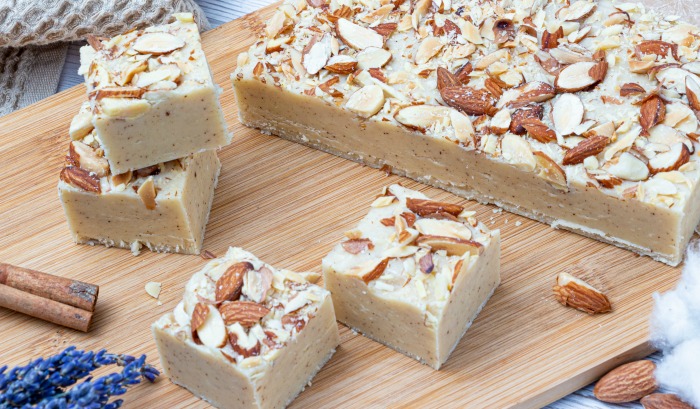
Few confections evoke such widespread delight as fudge. This dense, rich, and utterly irresistible treat, with its signature smooth and creamy texture, holds a special place in the hearts of dessert lovers worldwide. From holiday platters to artisanal shop displays, a well-made batch of fudge is a true culinary triumph. But what exactly transforms a simple mixture of sugar, butter, and milk into this velvety marvel? And how can you master the art of homemade fudge, ensuring every bite is perfectly smooth, never grainy?
This comprehensive guide will unlock the secrets to perfect fudge, from understanding the science behind its creamy texture to providing easy-to-follow recipes and invaluable tips for guaranteed success. Get ready to impress your friends and family with the most delicious, melt-in-your-mouth fudge they've ever tasted.
Understanding the Magic of Fudge: Texture and Science
At its core, fudge is a sugar candy, but its unique appeal lies in its distinctive texture. Unlike hard candies or brittles, fudge is soft, firm, and boasts a fine, almost melt-in-your-mouth quality. This characteristic texture is a direct result of precise sugar crystallization.
The traditional method involves cooking a mixture of sugar, butter, and dairy (milk or cream), often with chocolate or other flavorings, to a specific temperature range known as the soft-ball stage (typically between 235°F and 245°F or 118°C and 121°C). This temperature indicates a particular concentration of sugar in the solution. Once this stage is reached, the magic truly begins: the mixture is then cooled, often without disturbance, and vigorously beaten.
This beating process is critical. It encourages the formation of numerous tiny sugar crystals rather than a few large ones. These small crystals are what give fudge its smooth, non-grainy consistency. If the sugar crystallizes too quickly or in large chunks, you end out with a gritty, less desirable texture. The careful balance of cooking, cooling, and beating is what separates a good batch of fudge from a truly spectacular one.
The intriguing journey of fudge, from a potential kitchen mishap to a beloved global confection, highlights how a little "fudging" in the kitchen can lead to delicious discoveries. To dive deeper into its captivating past, including its collegiate origins and accidental beginnings, explore The Sweet History of Fudge: From Vassar Secret to Global Treat.
Essential Ingredients for Perfect Fudge
While the process is key, quality ingredients lay the foundation for truly exceptional fudge. Here’s what you’ll need:
- Sugar: Granulated white sugar is the standard. It provides the bulk and sweetness. Consistency is king here, so avoid powdered sugar for traditional recipes unless specified.
- Butter: High-quality unsalted butter is crucial for richness and flavor. It contributes significantly to the creamy mouthfeel and helps prevent crystallization.
- Dairy: Whole milk or heavy cream are preferred for their fat content, which adds richness and smoothness. Some easy fudge recipes utilize sweetened condensed milk, which acts as both the dairy and a significant sugar component, streamlining the process significantly.
- Flavorings:
- Chocolate: For classic chocolate fudge, use good quality chocolate chips, baking chocolate, or cocoa powder. The type of chocolate (semi-sweet, milk, dark) will significantly impact the final flavor.
- Vanilla Extract: A splash of pure vanilla extract is almost always essential, enhancing all other flavors.
- Add-ins: Nuts (walnuts, pecans), dried fruits, mini marshmallows, peanut butter, peppermint extract, maple extract – the possibilities are endless for customizing your fudge.
- Optional Stabilizers: A small amount of corn syrup or glucose syrup, sometimes found in commercial fudge, can help inhibit large sugar crystal formation, contributing to a smoother texture and greater stability. For home cooks, while not strictly necessary for most recipes, it can be a helpful safeguard against graininess.
Mastering the Art of Creamy Fudge: Tips and Techniques
Achieving that coveted velvety smoothness requires attention to detail. Follow these steps for consistently perfect fudge:
1. Precision in Cooking: The Soft-Ball Stage
- Use a Reliable Candy Thermometer: This is your best friend. Accuracy is paramount. Clip it to the side of your heavy-bottomed saucepan, ensuring the bulb is immersed in the candy mixture but not touching the bottom of the pan.
- Pre-Boil Prep: Before the mixture comes to a boil, stir gently until the sugar dissolves. Once boiling begins, stop stirring. Stirring during boiling can cause sugar crystals to form on the sides of the pan, which can fall back into the mixture and initiate unwanted large crystallization.
- Wash Down the Sides: Periodically, use a wet pastry brush to gently wipe down any sugar crystals that form on the sides of the pan above the boiling mixture. This prevents rogue crystals from seeding the batch.
- Target Temperature: Cook your fudge mixture to the precise soft-ball stage, typically between 235°F (118°C) and 245°F (121°C). For chocolate fudge, often a slightly lower temperature (around 235-238°F) yields a softer, creamier result.
- Cold Water Test (No Thermometer): If you don't have a thermometer, drop a small spoonful of the boiling mixture into a cup of very cold water. If it forms a soft, pliable ball that holds its shape when removed from the water, it's ready.
2. The Critical Cooling and Beating Process
- Cool Undisturbed: Once the target temperature is reached, immediately remove the pan from the heat. Resist the urge to stir! Allow the mixture to cool down undisturbed to about 110°F (43°C) or until the bottom of the pan feels just warm to the touch. Cooling slowly and without agitation is crucial for encouraging the formation of many tiny sugar crystals later.
- Vigorous Beating: This is where the magic happens for smoothness. Once cooled, add your vanilla and other flavorings (like chocolate, if using solid chocolate rather than cocoa powder). Now, beat the mixture vigorously. You can use a wooden spoon, a stand mixer with a paddle attachment, or even a hand mixer.
- What to Look For: Continue beating until the fudge loses its glossy sheen and starts to thicken significantly. It will transition from shiny liquid to a dull, thick mass that pulls away from the sides of the pan. This process can take anywhere from 5 to 15 minutes, depending on the recipe and method. It’s also the point where you would stir in any nuts or solid add-ins.
3. Pouring and Setting
- Work Quickly: Once the fudge reaches the desired thickness and dullness, immediately pour it into a prepared (buttered or parchment-lined) pan. Spread it evenly.
- Chill to Set: Allow the fudge to set completely at room temperature or in the refrigerator. This can take several hours. Once firm, slice and enjoy!
Easy Fudge Recipes: Classic & Quick Variations
Classic Creamy Chocolate Fudge
This recipe embodies traditional fudge-making, resulting in a rich, decadent treat.
Ingredients:
- 3 cups granulated sugar
- 1 cup whole milk or heavy cream
- 1/2 cup (1 stick) unsalted butter, cut into pieces
- 1/4 teaspoon salt
- 12 oz semi-sweet chocolate chips (or chopped baking chocolate)
- 1 teaspoon pure vanilla extract
- Optional: 1 cup chopped nuts (walnuts, pecans)
Instructions:
- Line an 8x8-inch pan with parchment paper, leaving an overhang on the sides, and lightly butter the paper.
- In a large, heavy-bottomed saucepan, combine sugar, milk, butter, and salt. Stir over medium heat until sugar dissolves and butter melts.
- Bring the mixture to a rolling boil. Insert a candy thermometer, making sure it doesn't touch the bottom. Boil without stirring, occasionally washing down sugar crystals from the sides of the pan with a wet pastry brush.
- Cook until the mixture reaches 238°F (114°C) for softer fudge, or up to 242°F (117°C) for firmer fudge.
- Remove from heat. Add chocolate chips and vanilla extract (and nuts, if using) without stirring. Let it sit undisturbed for 5-10 minutes to allow the chocolate to melt and the mixture to cool slightly.
- Once cooled to about 110°F (43°C) (the pan feels just warm to the touch), beat vigorously with a wooden spoon or a stand mixer until the fudge thickens, loses its gloss, and is no longer runny. This can take 5-10 minutes.
- Quickly pour the thickened fudge into the prepared pan and spread evenly. Let cool completely at room temperature for several hours or in the refrigerator for 1-2 hours until firm.
- Once set, lift the fudge out of the pan using the parchment paper overhang and cut into squares.
Quick & Easy No-Bake Fudge (Condensed Milk Method)
For instant gratification, this shortcut fudge delivers creamy results without the candy thermometer.
Ingredients:
- 1 (14-ounce) can sweetened condensed milk
- 2 cups (12 ounces) chocolate chips (semi-sweet, milk, or white chocolate)
- 1 tablespoon unsalted butter
- 1 teaspoon vanilla extract
- Optional: 1/2 cup chopped nuts or other mix-ins
Instructions:
- Line an 8x8-inch pan with parchment paper, leaving an overhang, and lightly butter the paper.
- In a medium microwave-safe bowl, combine sweetened condensed milk, chocolate chips, and butter.
- Microwave on high for 1 minute. Stir well. Continue microwaving in 30-second intervals, stirring after each, until the mixture is smooth and completely melted (total time usually 1.5 to 2.5 minutes). Alternatively, you can do this over a double boiler on the stovetop.
- Stir in vanilla extract and any optional mix-ins.
- Pour the mixture into the prepared pan and spread evenly.
- Refrigerate for at least 2 hours, or until firm. Once set, lift the fudge out of the pan and cut into squares.
This method is fantastic for experimenting with flavors: try peanut butter chips for a quick peanut butter fudge, or stir in crushed peppermint candies for a festive twist.
Troubleshooting Common Fudge Problems
Even experienced candy makers can encounter issues. Here’s how to tackle common fudge woes:
- Grainy Fudge: This is the most common complaint and usually means large sugar crystals formed. The culprit could be stirring during boiling, not washing down the sides of the pan, or beating the fudge too soon (before it cooled sufficiently) or too late. While hard to fully salvage, sometimes re-melting the fudge with a tablespoon of milk, cooking it back to the soft-ball stage, and re-cooling/re-beating can help.
- Fudge is Too Soft/Won't Set: The fudge wasn't cooked to a high enough temperature (it didn't reach the soft-ball stage or cooked below it). The sugar concentration wasn't high enough to create a firm structure.
- Fudge is Too Hard/Crumbly: The mixture was cooked past the soft-ball stage, meaning too much water evaporated, making it too concentrated. Unfortunately, this is difficult to fix without altering the texture significantly. You might be able to chop it up and use it as an ice cream topping or in other desserts.
- Oily Fudge: This can happen if the butter separates, often due to over-beating, or if the initial cooking temperature was too high too quickly. Ensure your butter is incorporated fully during the initial melting phase.
Conclusion
Making perfect fudge is a rewarding culinary journey that combines a little bit of science with a lot of love. Whether you opt for the traditional method with its precise temperature control and vigorous beating, or the quick and easy no-bake approach, the goal remains the same: a dense, rich, and wonderfully creamy confection that delights the senses. Don't be discouraged by initial attempts; like many culinary arts, practice truly makes perfect. The fascinating history of this sweet treat, often born from accident, reminds us that some of the best things in life come from unexpected places. Learn more about its intriguing origins and how a simple "fudge" led to a classic candy in The Accidental Sweet: How "Fudging" Created a Classic Candy. So grab your ingredients, embrace the process, and prepare to create batches of perfect homemade fudge that will become treasured memories.
